Thinking that moves work forward
Insights
Practical ideas on AI, project governance, and digital execution. Read, reflect, and put them to work.
15 insights · Newest first
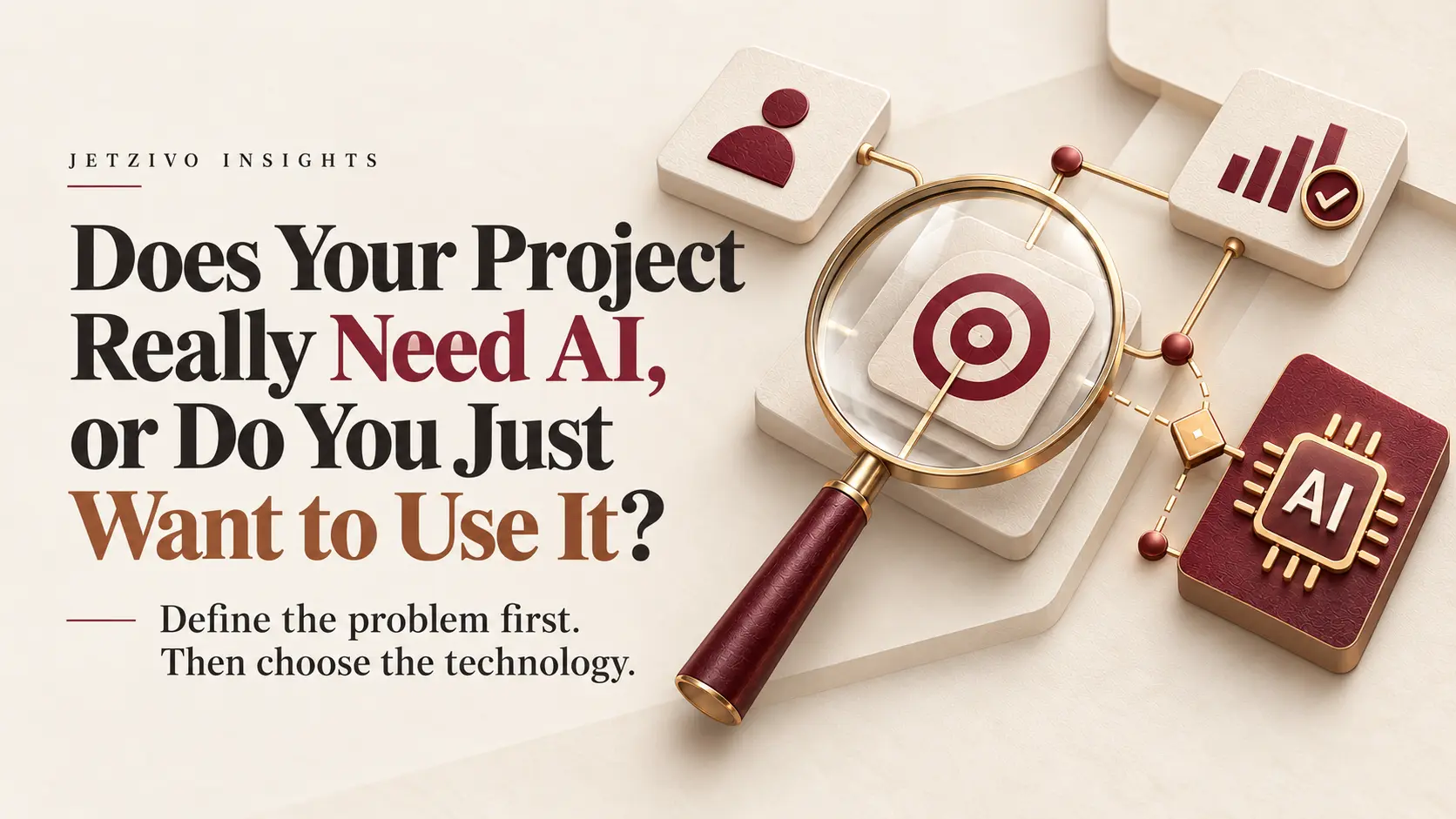
Does delivering an AI project on time and meeting its requirements mean it has created business value? Drawing on a project demonstration that challenged my assumptions, this article explores six questions to identify real problems, clarify stakeholder expectations, define success, and compare AI with other options before deciding where to invest.
Read insight → 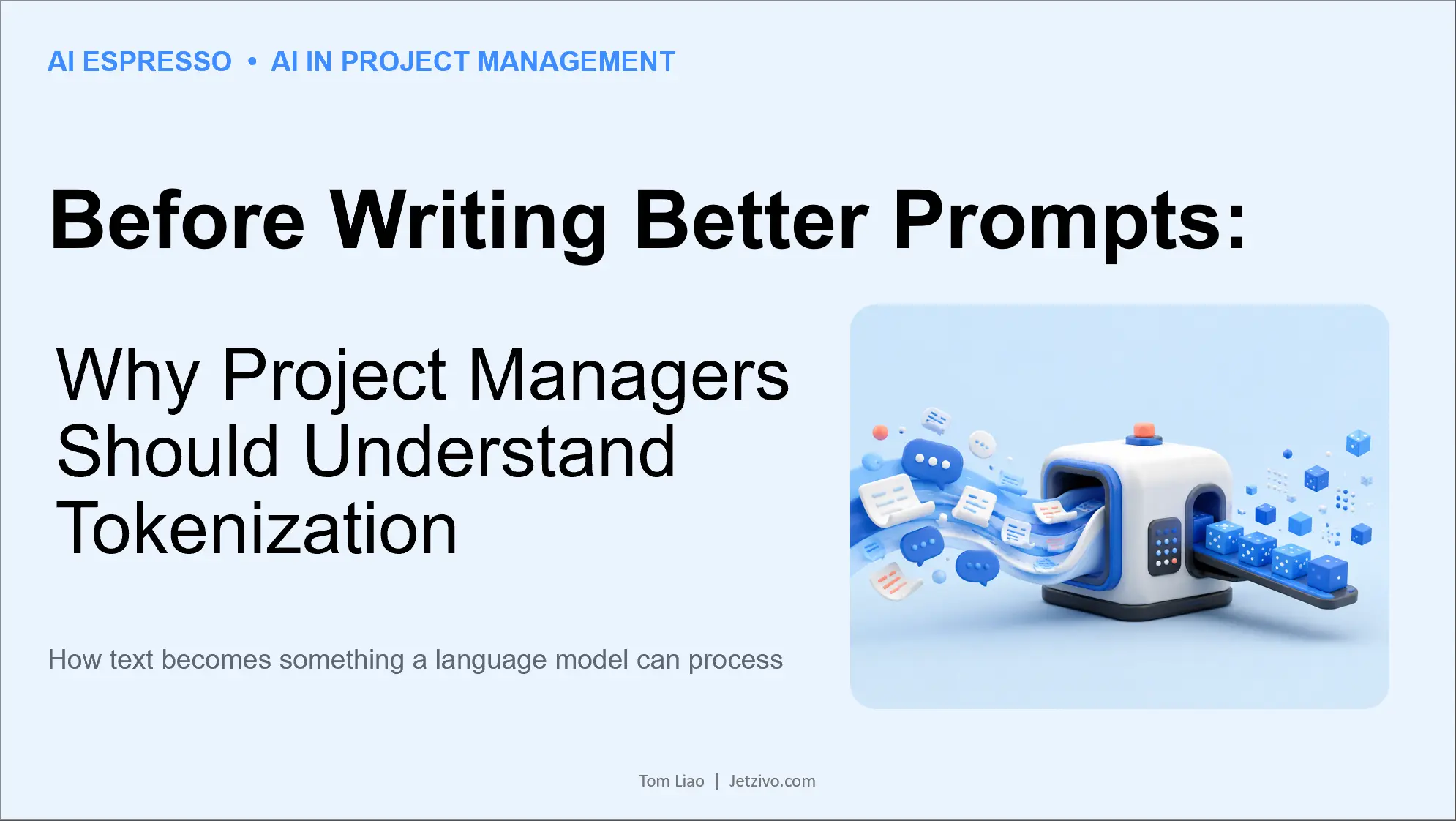
In my recent AI in Project Management articles, I have explored how project managers can use structured prompts to analyze RFPs, develop Project Management Plans, and turn plans into executable work.
But why does prompt structure matter?
Read insight → 
“We’re on the same team, but we don’t work like one! The only thing everyone agrees on is: That’s not our problem!”
A RACI matrix can define who is Responsible, Accountable, Consulted, and Informed.
But it cannot make people cooperate.
Read insight → 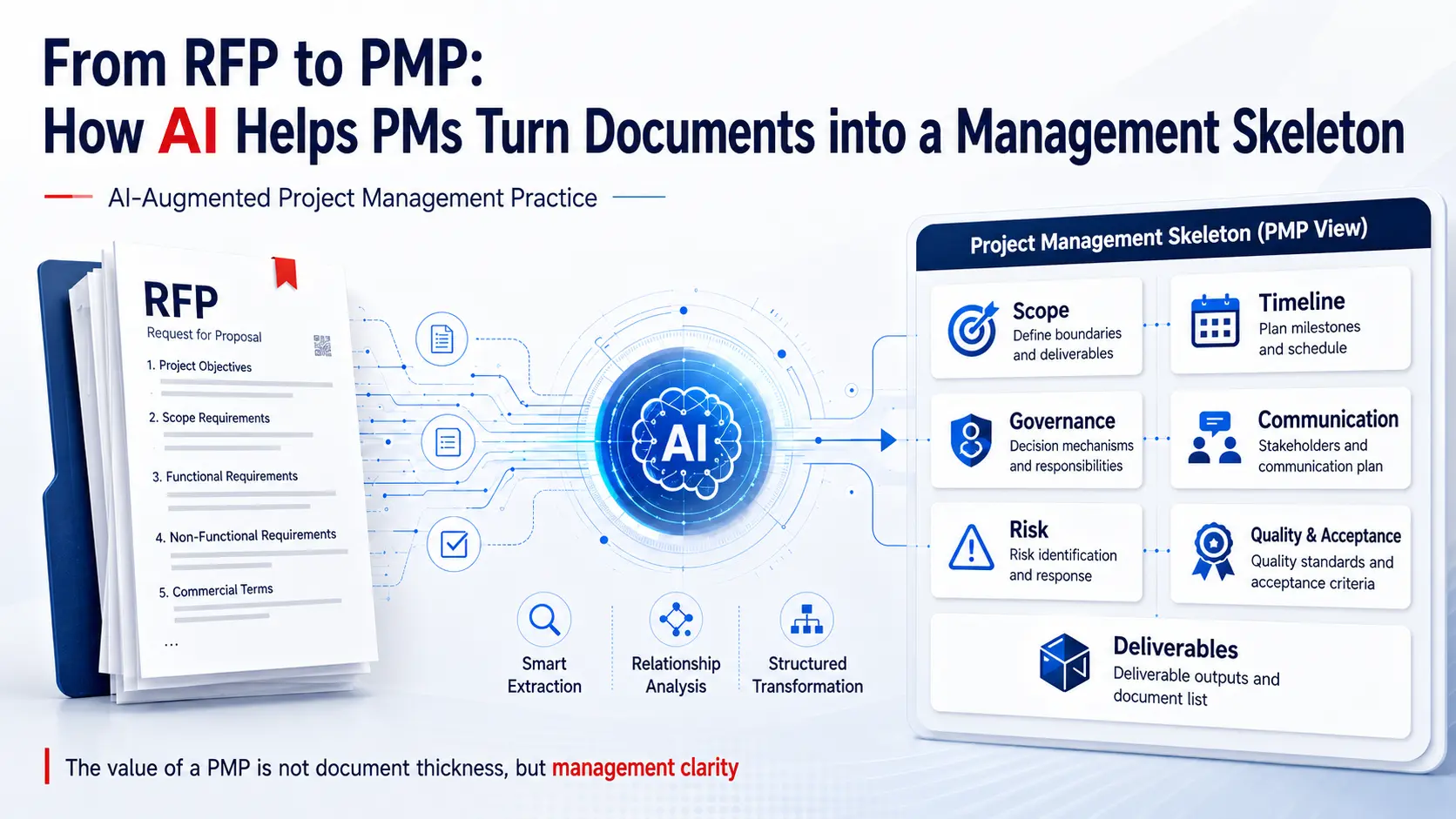
AI can certainly help you write a Project Management Plan based on an RFP.
But I would not recommend doing that from the start.
Anyone who has worked as a PM knows that the real challenge is not simply writing the PMP document. The harder part is understanding what the RFP actually implies.
Read insight → 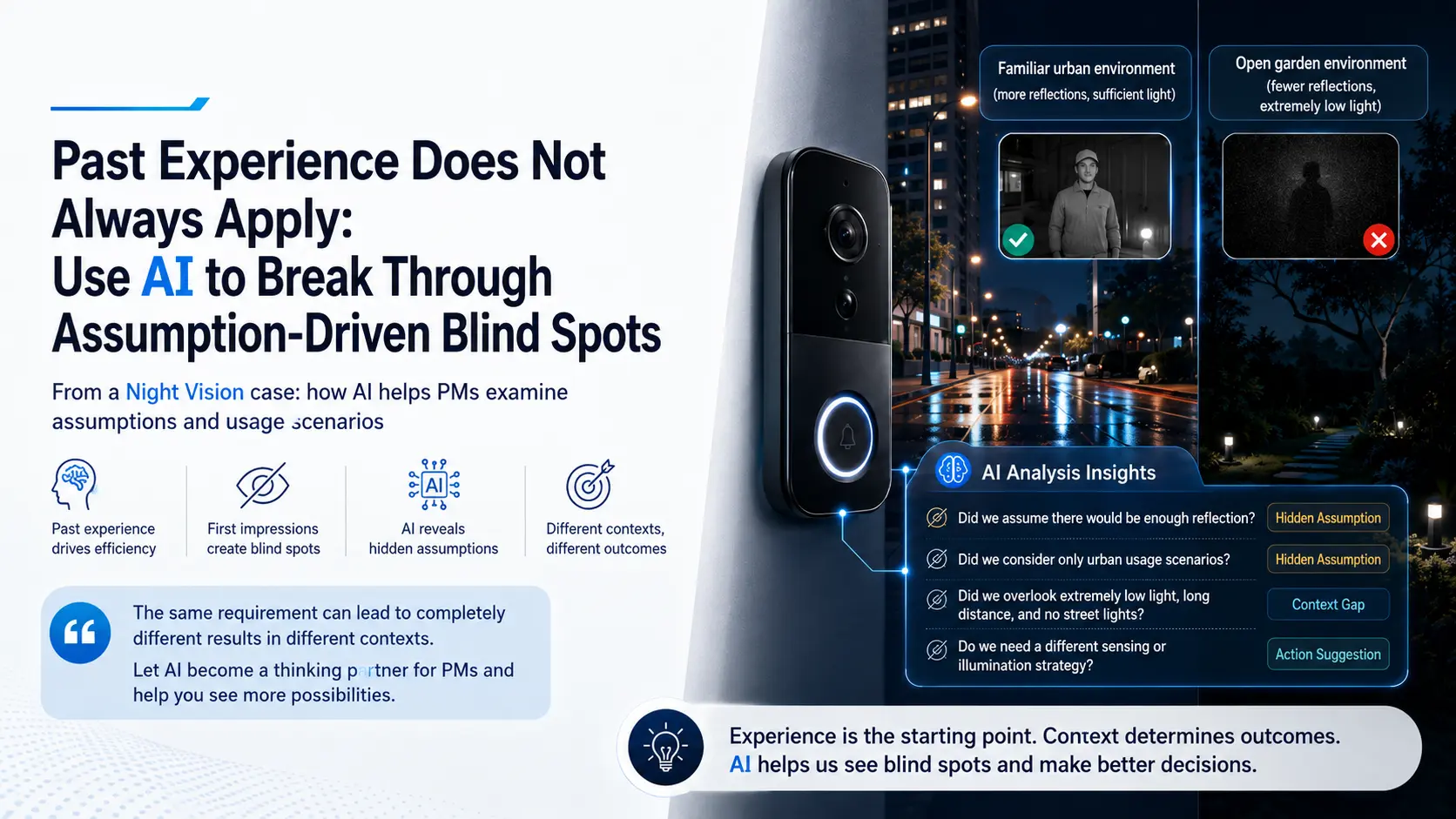
In project management, experience is usually an asset.
But sometimes, experience can also become a blind spot.
Especially when a team faces a requirement that “looks familiar,” the biggest danger is often not that we do not understand it, but that we assume too quickly that we already do.
Read insight → 
“AI image generation is powerful, but how can we generate images with a consistent style?”
This is actually a common challenge many companies face when using AI image generation.
The longer the Prompt, the more likely the result is to drift away.
The real key is not to make the Prompt longer, but to frame the image generation requirements more precisely.
Read insight → 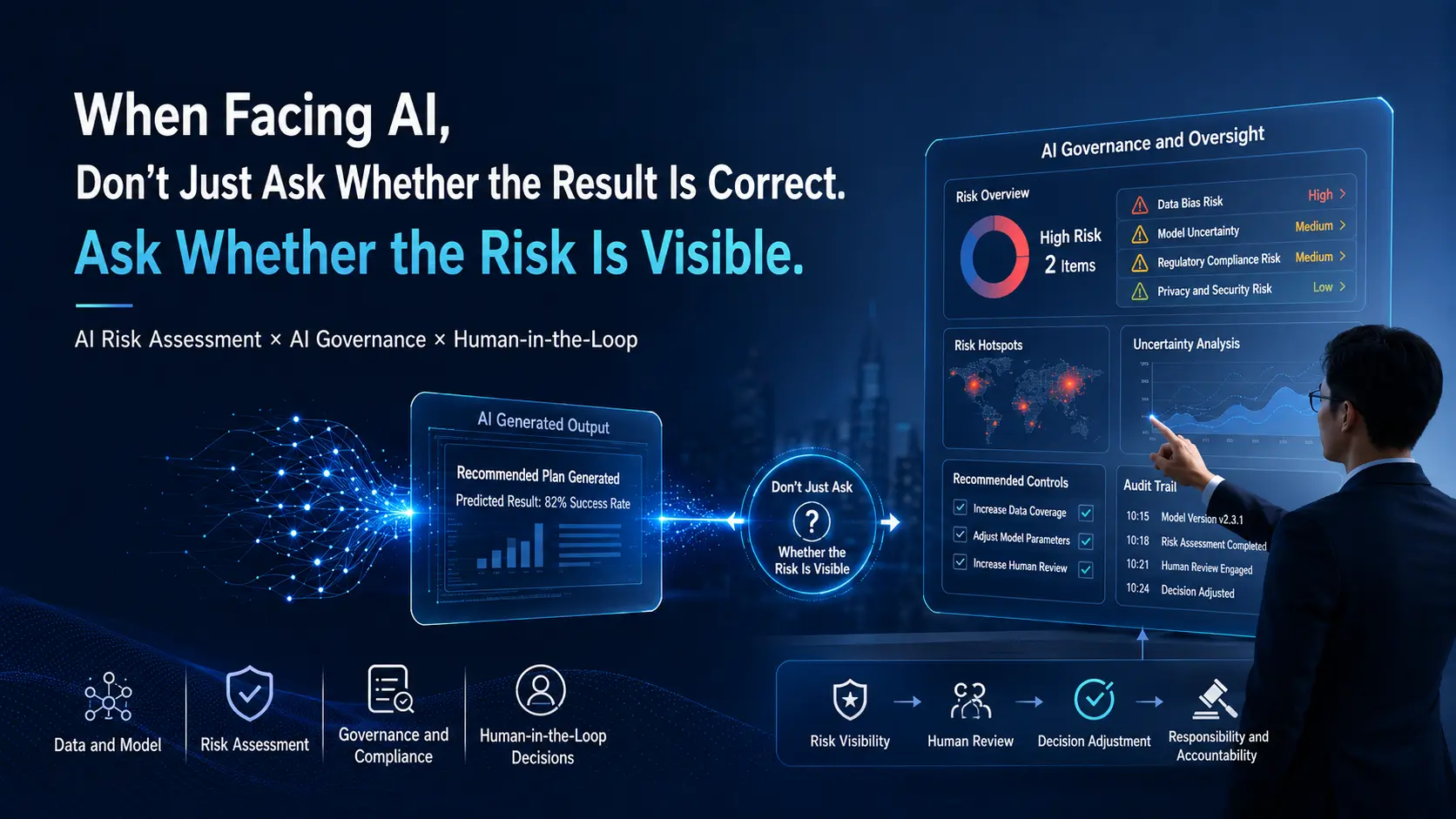
Traditional software is mostly driven by explicit rules. As long as the logic is correct, test cases are sufficiently covered, and input conditions remain stable, system behavior is generally predictable.
But AI, especially generative AI, does not simply execute predefined rules. It produces outputs through a combination of probability, context, data, and model behavior.
This is why, in AI projects, Human-in-the-Loop (HITL) should not be treated as just a slogan. It should be designed as an explicit control point within the process.
Read insight → 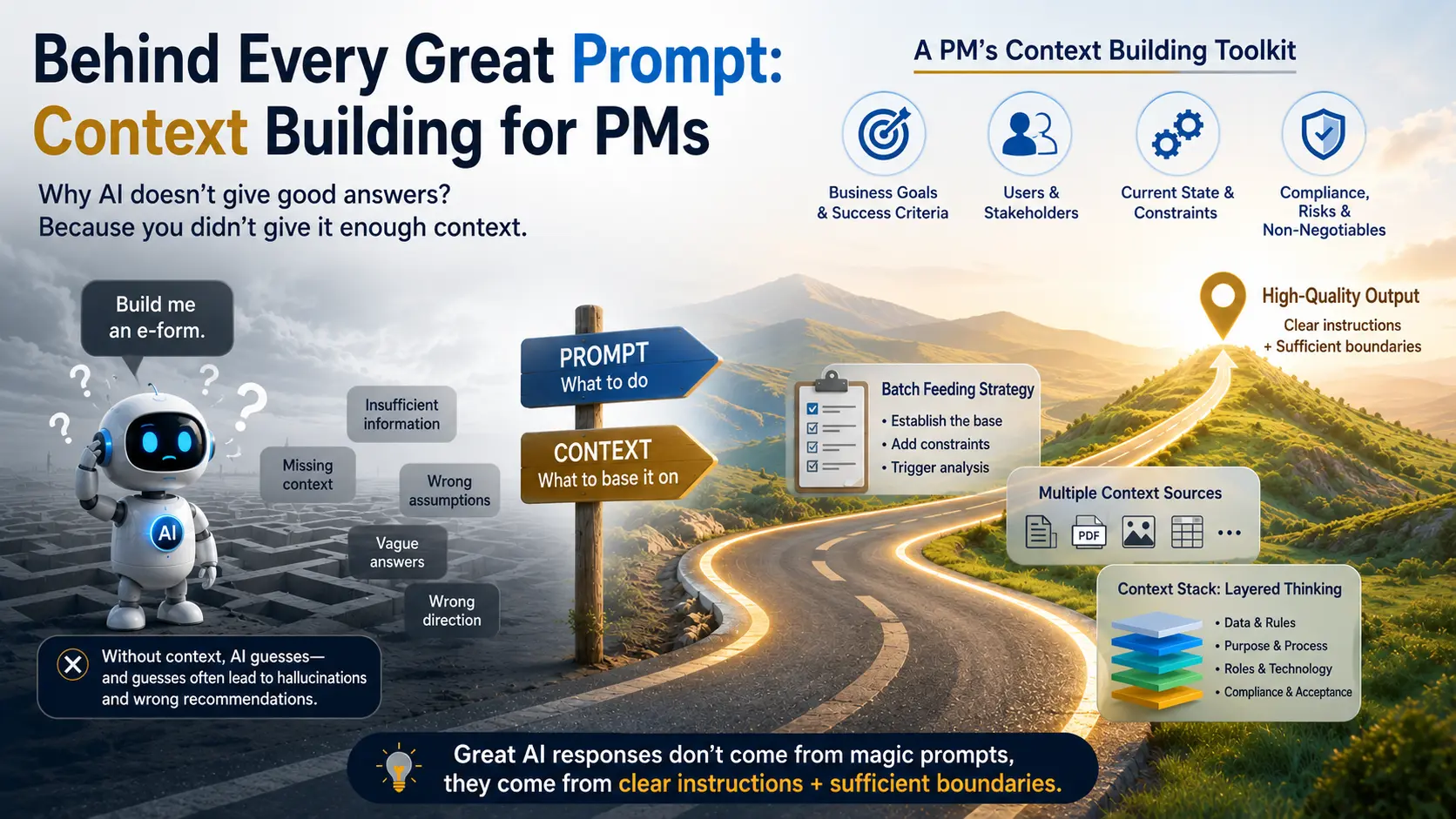
Many people think AI gives weak answers because the prompt is not clever enough.
But in practice, the bigger issue is often this: AI does not have enough context.
A prompt tells AI what to do. Context tells AI what situation to base its judgment on.
Read insight → 
Today, my boss assigned me a task: to help a PM bring a troubled project back into order.
The project has been struggling for some time. Doubt about the PM's capability have gradually started to surface.
Since I used to be this PM’s manager, I was asked to step in and provide support.
I believe many people have had similar experiences, being asked to help when a project is already in trouble.
Read insight →